
The Role of Full-Stack Development in Modern Web Applications


Understanding Full-Stack Development
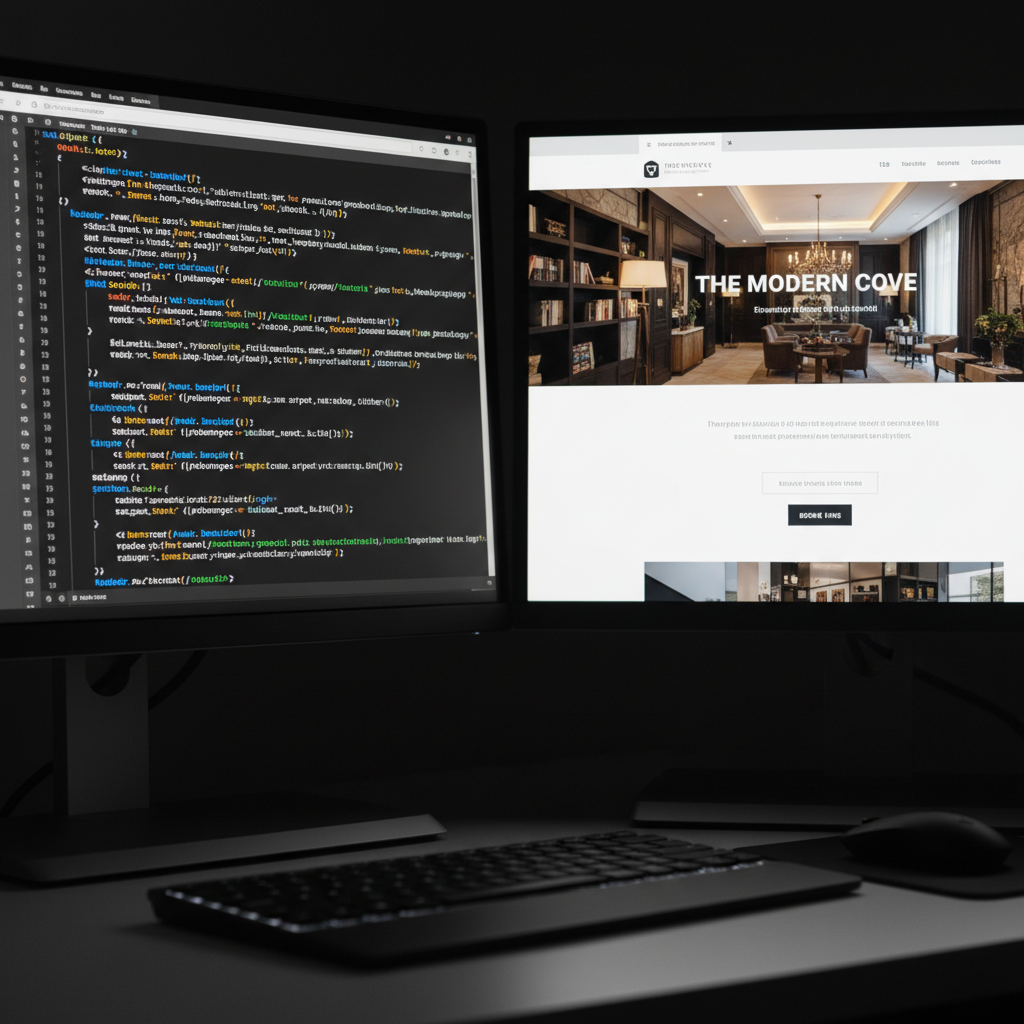
Full-stack development has become a cornerstone in the creation of modern web applications. It refers to the capability to work on both the front-end and back-end portions of an application. Developers who master full-stack development can handle everything from server management to user interface design, making them highly valuable in today’s tech landscape.
A full-stack developer is proficient in a variety of programming languages and frameworks, such as JavaScript, HTML, CSS, Node.js, and React. This versatility enables them to navigate between different aspects of a project, ensuring a seamless integration of all components.

The Benefits of Full-Stack Development
One of the primary benefits of full-stack development is the ability to streamline the development process. A full-stack developer can oversee an entire project, reducing the need for multiple specialists. This leads to faster development times and lower costs for businesses.
Additionally, full-stack developers are often adept at problem-solving. Their comprehensive understanding of both front-end and back-end technologies allows them to identify issues more effectively and implement robust solutions. This holistic approach is crucial for maintaining the functionality and performance of web applications.

Enhancing Collaboration and Communication
Full-stack developers play a significant role in enhancing collaboration and communication within development teams. By understanding the entire technology stack, they can act as a bridge between different team members, facilitating better communication and collaboration.
This ability to mediate and translate between the technical and non-technical aspects of a project helps in aligning the team’s efforts with the overarching business goals. It ensures that everyone is on the same page, which is vital for the success of any web application project.
Full-Stack Development Tools and Technologies
The modern full-stack developer has access to a wide array of tools and technologies. Some popular front-end tools include frameworks like Angular, Vue.js, and libraries such as jQuery. For back-end development, Node.js, Express, and Django are often used to manage server-side operations.
- Front-End: HTML, CSS, JavaScript, React, Angular
- Back-End: Node.js, Python, Ruby on Rails
- Databases: MongoDB, SQL, Firebase
These tools empower developers to create dynamic, responsive, and scalable web applications, catering to the demands of modern users.
The Future of Full-Stack Development
As technology continues to evolve, the role of full-stack development is likely to expand further. Emerging technologies such as artificial intelligence, machine learning, and blockchain are becoming integral to web development. Full-stack developers who embrace these advancements will be at the forefront of innovation.
Moreover, the rise of no-code and low-code platforms is democratizing application development, allowing even those with limited technical skills to contribute. Full-stack developers can leverage these platforms to accelerate development processes and focus on more complex tasks.
Conclusion
In conclusion, full-stack development plays a pivotal role in the creation of modern web applications. Its ability to streamline processes, enhance collaboration, and adapt to new technologies makes it indispensable in today’s fast-paced digital environment. As the demand for comprehensive and integrated solutions grows, full-stack development will continue to be a key driver of innovation and efficiency in the tech industry.